March 11, 2026
Water heating is one of the most important systems in any home, providing hot water for showers, laundry, dishwashing, and cleaning. However, it is also one of the largest contributors to household energy costs. Many homeowners are surprised to learn how much of their monthly utility bill is tied to heating water. According to the U.S. Department of Energy, water heating makes up about 18% of a home's energy consumption and is typically the second largest energy expense. Because of this, improving the efficiency of your water heating system can have a noticeable impact on your long-term utility costs.
Fortunately, homeowners do not have to tackle these improvements alone. A professional plumbing contractor can help identify inefficiencies, recommend system upgrades, and perform maintenance that keeps equipment operating at peak performance. From installing modern water heaters to optimizing piping and insulation, professional plumbing services play a key role in reducing energy waste and lowering monthly expenses. In this article, we will explore several ways a plumbing contractor can help you cut water heating costs while improving the overall efficiency of your home.
Upgrade to Energy-Efficient Water Heaters
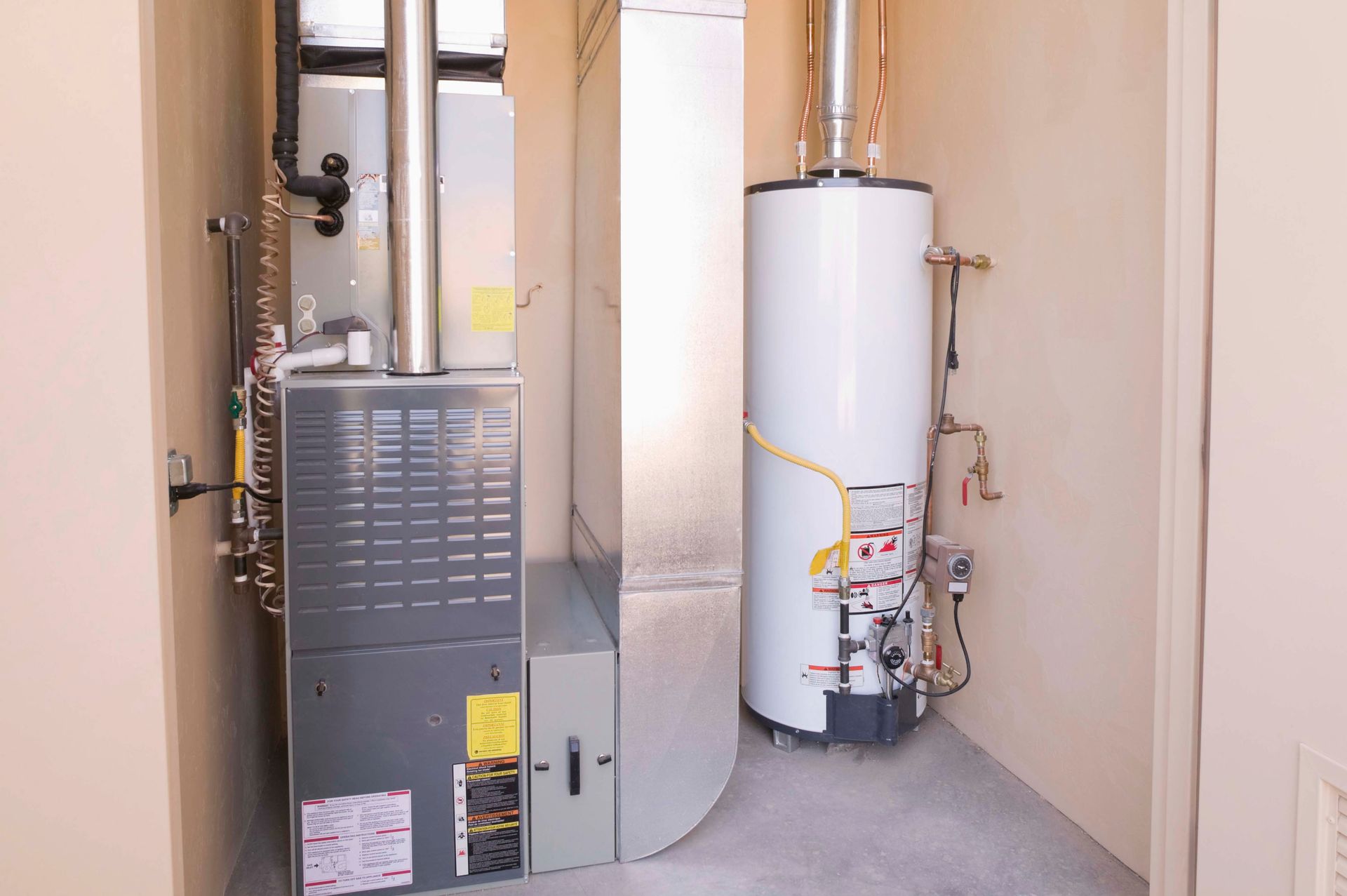
One of the most effective ways to reduce water heating costs is by upgrading to a more energy-efficient water heater. Older water heaters often operate with outdated technology that consumes more energy while producing less consistent results. Over time, sediment buildup, aging heating elements, and worn components can all reduce efficiency.
A qualified plumbing contractor can evaluate the condition of your current unit and determine whether replacement is the best option. Modern high-efficiency water heaters, including tankless models and heat pump water heaters, use advanced technology to deliver hot water while using significantly less energy. These systems heat water more effectively and often include smart features that help regulate temperature and energy consumption.
Newer systems also tend to have longer lifespans and improved insulation, which helps retain heat and reduces the amount of energy required to maintain water temperature. With the right installation and system selection, homeowners can enjoy lower energy bills while maintaining reliable hot water access.
Improve Water Heater Maintenance
Routine maintenance is one of the simplest yet most effective ways to reduce water heating expenses. Over time, mineral deposits and sediment can accumulate inside water heater tanks, especially in areas with hard water. This buildup forces the heating system to work harder to warm the water, which increases energy consumption and accelerates wear on internal components.
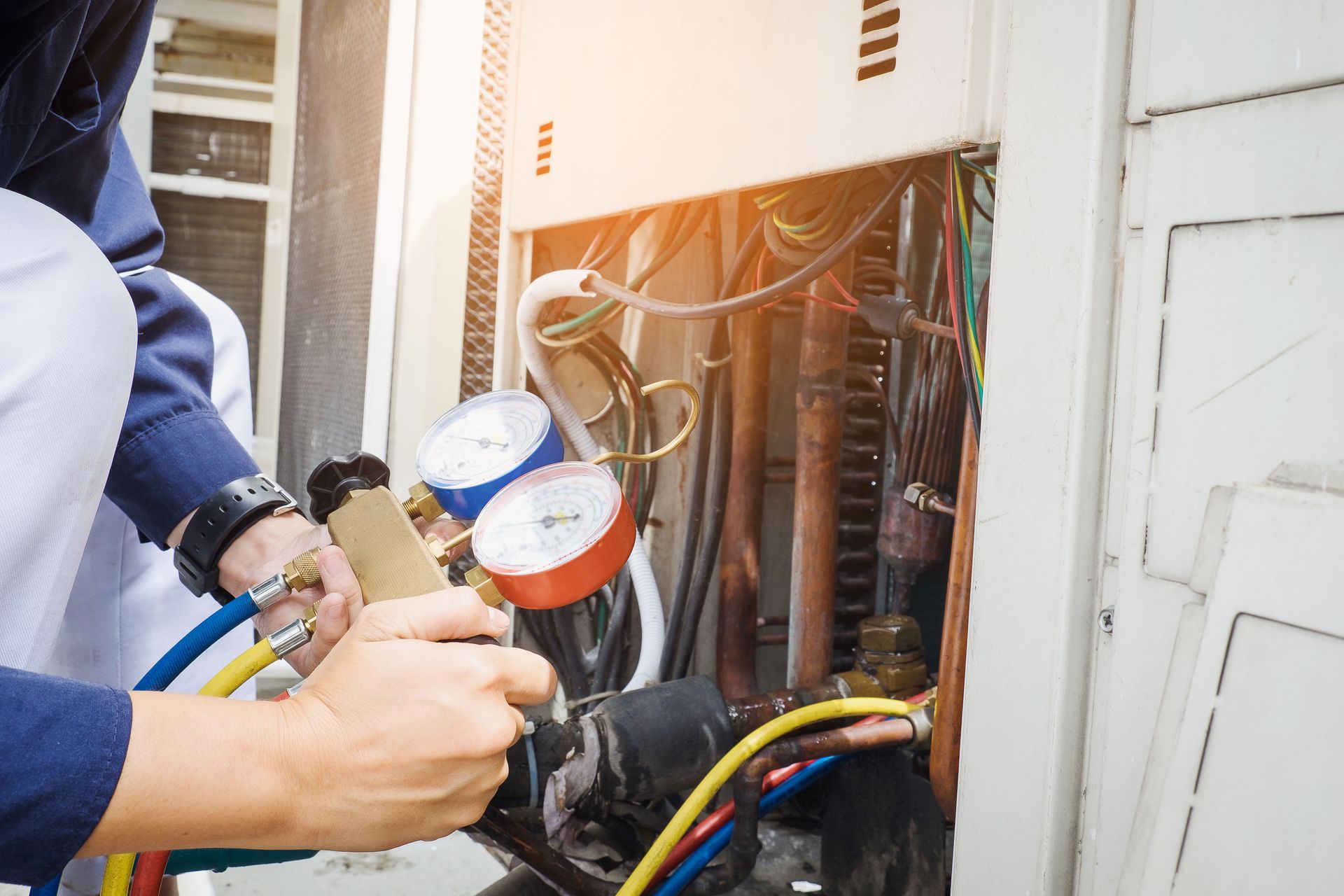
A plumbing contractor can perform regular maintenance services such as tank flushing, anode rod inspections, and heating element checks. These services help remove buildup that interferes with efficient heat transfer. When the system operates cleanly and smoothly, it requires less energy to produce the same amount of hot water.
Maintenance also helps detect small issues before they become expensive repairs. For example, minor leaks, worn valves, or faulty thermostats can all increase operating costs if left unaddressed. Regular servicing keeps the system functioning properly while extending its lifespan.
Install Tankless Water Heating Systems
Tankless water heaters have become increasingly popular for homeowners seeking greater efficiency and lower energy costs. Unlike traditional tank systems that continuously heat and store water, tankless units heat water only when it is needed. This eliminates standby heat loss, which occurs when stored hot water gradually cools and requires reheating.
A plumbing contractor can determine whether a tankless system is suitable for your household's hot water demands. Proper sizing and installation are essential because tankless systems must match the household's water usage patterns. When installed correctly, these systems can provide a continuous supply of hot water while using less energy overall.
Another advantage of tankless water heaters is their compact size. They take up significantly less space than traditional tanks and often last longer as well. Although the initial investment may be higher, the long-term energy savings can make tankless systems a worthwhile upgrade for many homeowners.
Insulate Pipes and Water Heater Tanks
Heat loss is a common but often overlooked cause of high water heating costs. As hot water travels through pipes, it gradually loses heat before reaching the faucet or appliance. When this happens, the water heater must work harder to maintain the desired temperature.
A plumbing contractor can install insulation around both water heater tanks and exposed hot water pipes. This added insulation helps retain heat as water travels through the plumbing system. As a result, hot water reaches fixtures faster and remains warmer for longer periods.
Pipe insulation also reduces the need to run taps while waiting for hot water to arrive, which conserves both energy and water. These improvements may seem small individually, but they can collectively make a noticeable difference in overall efficiency and monthly utility costs.
Optimize Water Heater Temperature Settings
Many water heaters are set to higher temperatures than necessary. While high settings may provide extra hot water capacity, they also increase energy consumption and raise the risk of scalding. Adjusting the thermostat to a more moderate setting can significantly reduce energy use without sacrificing comfort.
A plumbing contractor can evaluate your system's temperature settings and recommend adjustments that balance efficiency and safety. In many cases, lowering the thermostat to around 120 degrees Fahrenheit provides sufficient hot water for most household needs while minimizing energy waste.
Professionals can also install mixing valves or thermostatic controls that regulate water temperature more precisely. These devices maintain consistent hot water while preventing overheating, which helps reduce unnecessary energy use over time.
Reduce Hot Water Waste With Plumbing Upgrades
Hot water waste is another factor that increases water heating costs. Long pipe runs, outdated fixtures, and inefficient plumbing layouts can all cause delays in hot water delivery. When homeowners run taps while waiting for water to heat up, both water and energy are wasted.
A plumbing contractor can identify opportunities to improve plumbing efficiency through targeted upgrades. Recirculating pump systems, for example, allow hot water to circulate continuously through the pipes so that it is readily available when needed. This eliminates long waiting times and reduces water waste.
Additionally, installing water-efficient fixtures such as low-flow showerheads and faucets can reduce overall hot water demand. By lowering the volume of hot water used daily, these upgrades help decrease the workload on the water heater and reduce energy consumption.
Address Hidden Leaks and System Inefficiencies
Even small plumbing leaks can contribute to higher water heating costs. When hot water leaks from pipes, valves, or fixtures, the water heater must continuously produce hot water to compensate for the loss. Over time, this added demand can increase both energy use and water bills.
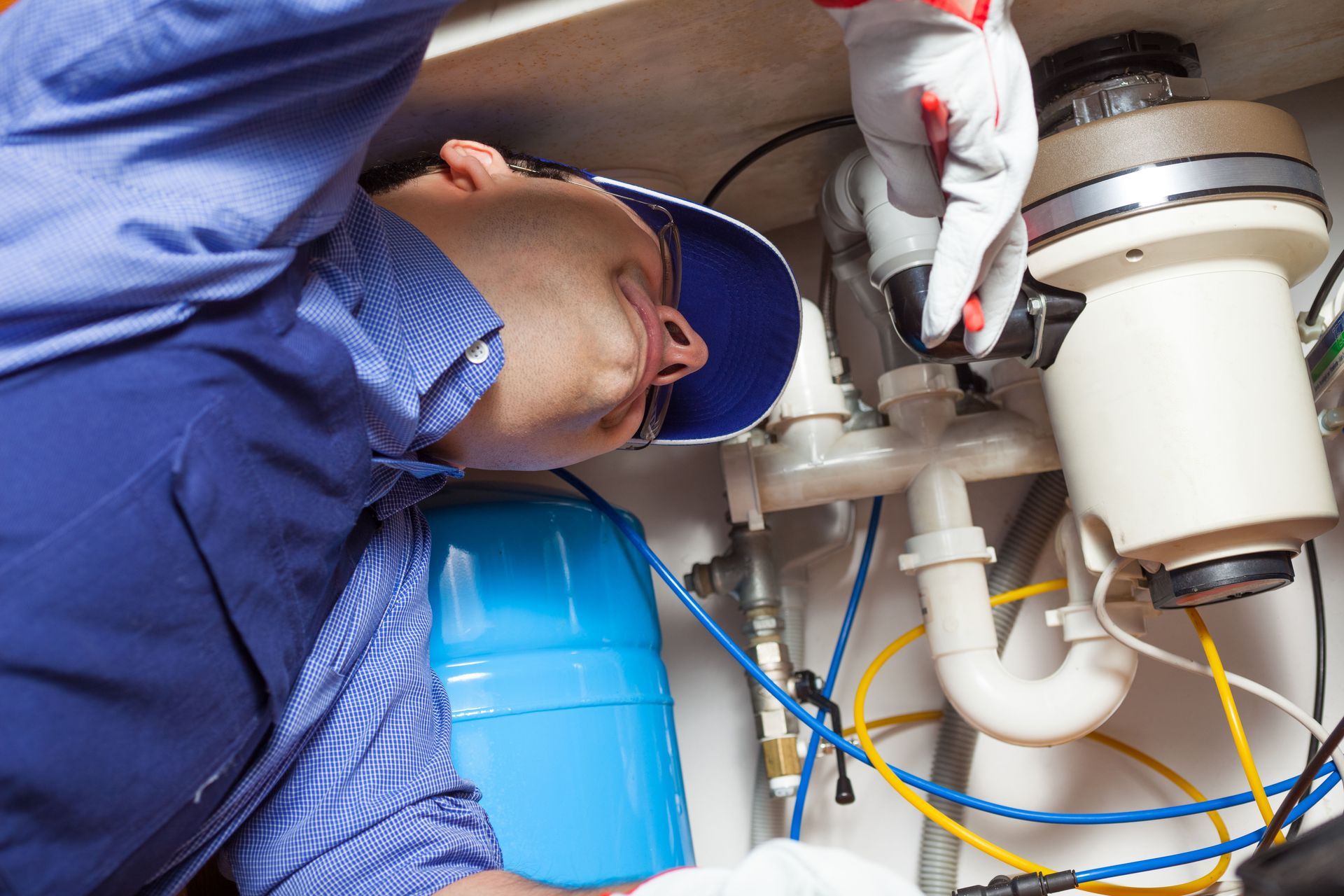
A professional plumbing contractor can inspect your home's plumbing system to identify hidden leaks or inefficiencies. Using specialized tools and diagnostic techniques, plumbers can detect leaks behind walls, beneath floors, or within concealed piping systems.
Repairing these issues not only reduces water waste but also helps maintain consistent water pressure and system performance. Addressing hidden leaks early can prevent costly damage while improving overall plumbing efficiency.
If you are looking for ways to lower your energy bills and improve your home's plumbing efficiency, contact Stilwell Plumbing & Drain Cleaning today. Professional service can help you identify cost-saving opportunities, upgrade outdated equipment, and keep your water heating system running efficiently for years to come.