February 5, 2026
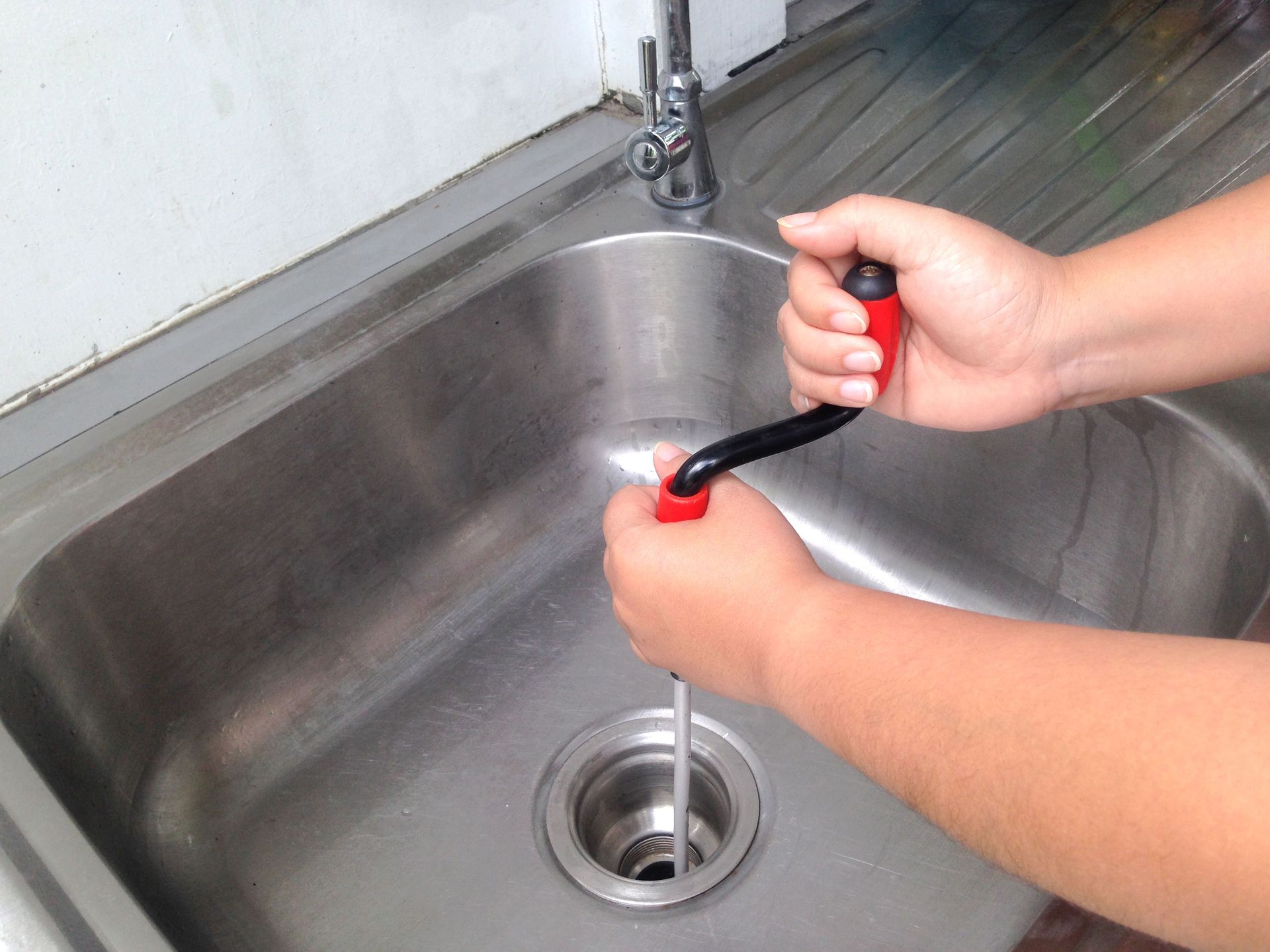
In the dynamic ecosystem of residential property management, small operational inefficiencies have a propensity to cascade into significant financial liabilities. Among these, a seemingly innocuous clogged drain stands out as a primary vector for accelerated maintenance costs, diminished asset value, and operational disruption. Homeowners and property stakeholders often underestimate the latent risk posed by obstructed flow within sink basins and floor drains until the symptom manifests as a full-scale system failure. In this comprehensive analysis, we will explore how a simple drain clog can trigger a suite of expensive plumbing challenges, stressing the importance of timely intervention by a qualified local plumbing contractor to preserve system integrity and optimize life-cycle performance.
Understanding the Criticality of Drain Flow for System Functionality
At the foundational level, plumbing infrastructure exists to manage fluid conveyance in a controlled, efficient manner. The design parameters account for anticipated load, flow rates, and waste characteristics. When a drain becomes clogged, it inhibits the designed throughput, creating backpressure and stagnation. This localized problem can quickly propagate into adjacent system components, escalating maintenance complexities. A complacent view of slow draining water belies the real cost implications that may accrue without strategic mitigation.
Homeowners frequently defer professional intervention, attempting DIY remedies that only mask the symptom without addressing the underlying deposition of debris within the pipe walls. This tactical shortfall often results in the compounded deterioration of the surrounding plumbing network. Engaging a local plumbing contractor at the first sign of impeded flow is not only a best practice but a cost-effective strategy to avoid emergent failures that erode capital reserves.
Escalation to Sewage Backup and Structural Damage
When a drain obstruction transitions into a complete blockage, the hydraulic outcome is a reversal of intended flow. This scenario often culminates in sewage backup, where wastewater reenters living spaces. The immediate consequence is a violation of health and safety standards, necessitating emergency remediation. The secondary impacts include contamination of flooring substrates, finishes, and structural materials.
Recovery from sewage intrusion demands specialized cleaning protocols, antimicrobial treatments, and often, replacement of compromised building materials. Insurance claims may cover portions of these costs, but deductibles, exclusions, and long-term depreciation remain the financial responsibility of the property owner. In this context, a local plumbing contractor's rapid response can preempt escalation, redirecting potential negative outcomes into manageable maintenance events.
Progression to Pipe Corrosion and Joint Failure
A persistent clog alters the chemical environment within pipes. Organic material trapped against pipe surfaces can accelerate corrosion, particularly in metal systems. The stagnation of water and waste products increases the concentration of corrosive agents, which over time undermines the structural integrity of the pipe wall. Corroded pipes are prone to pinhole leaks and joint failure, which manifest as slow leaks that go undetected until irreparable damage has occurred.
The remediation of corroded piping necessitates excavation, replacement of affected segments, and restoration of surrounding finishes. These interventions are significantly more expensive than the cost associated with proactively clearing a clog. Working with an experienced local plumbing contractor ensures that early signs of corrosion are identified and mitigated before full failure, reducing total ownership costs and extending system longevity.
Transition to Water Heater Overload and Efficiency Loss
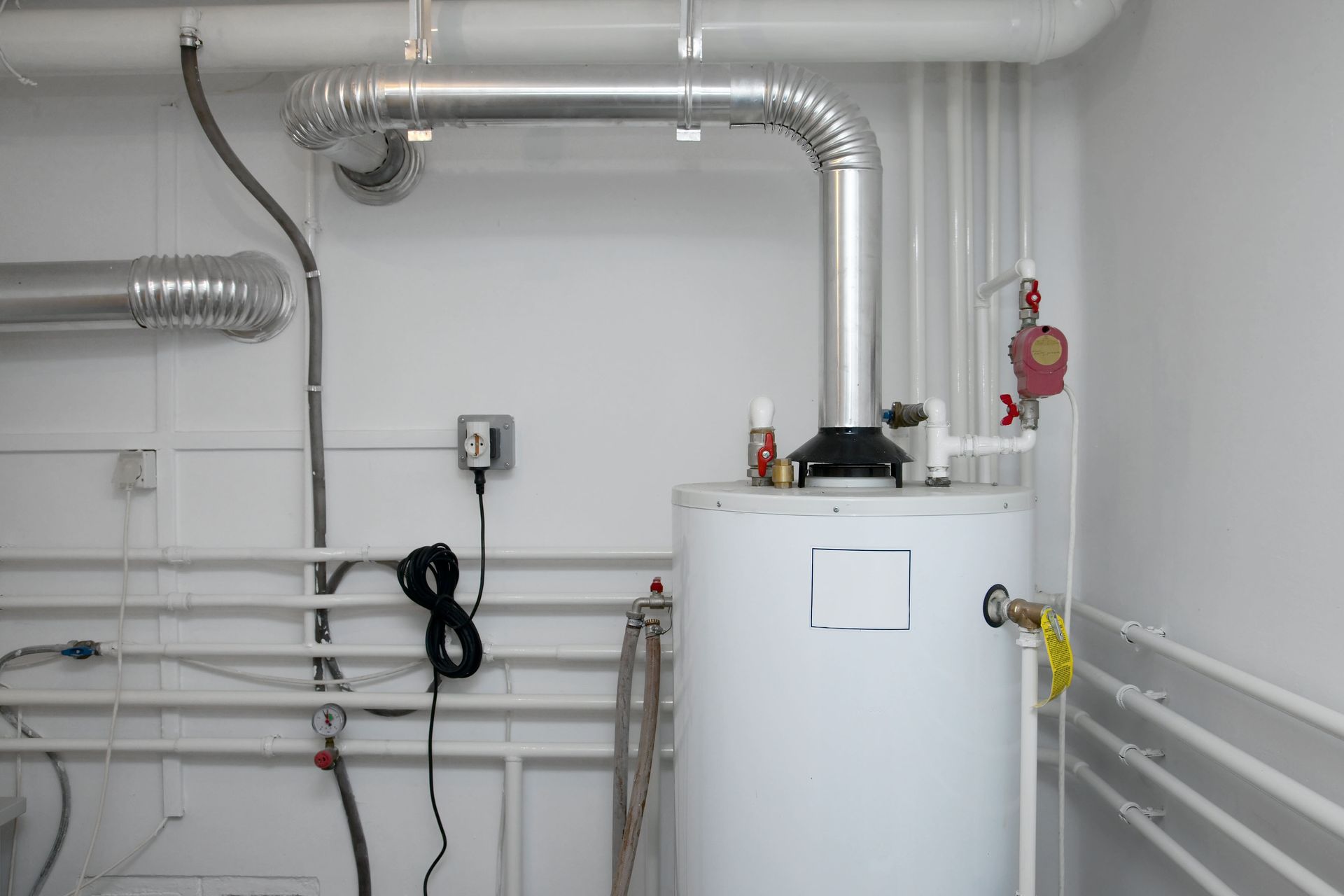
A clogged drain does not only affect waste conveyance; it can have downstream effects on related components such as water heaters. Obstructed drainage from fixtures can disrupt the balance of water flow, forcing water heating systems to operate under suboptimal conditions. This imbalance strains the heating element, reduces operational efficiency, and elevates energy consumption.
Over time, property owners may notice increased utility bills and diminished hot water availability. These performance deficits are symptomatic of systemic stress that could have been mitigated by early corrective action on the original clogged drain. A local plumbing contractor brings diagnostic expertise to identify these inefficiencies, aligning remedial actions with broader energy management objectives.
Advancement to Hidden Leaks and Mold Proliferation
One of the stealthiest consequences of an unresolved clogged drain is the development of hidden leaks. When pressure builds behind a blockage, water seeks alternative pathways, often infiltrating wall cavities, subfloor spaces, and insulation materials. These leaks remain undetected until they produce visible signs such as discoloration, sagging, or mold growth.
Mold colonization presents significant health risks and regulatory concerns, particularly for occupants with respiratory sensitivities. Mold remediation is a costly exercise that involves containment, removal of contaminated materials, and comprehensive cleaning. The prevention of hidden leaks through timely drain clearing by a local plumbing contractor is a proactive measure that safeguards indoor air quality and limits remediation expenses.
Propagation to Foundation Stress and Soil Displacement
Water that is diverted into unintended areas due to a clogged drain can compromise the stability of a building's foundation. Excess moisture in the soil surrounding the foundation induces expansion and contraction cycles, leading to cracks, settlement, and uneven flooring. Structural repair of foundation damage is among the most expensive corrective measures in residential property management, often involving underpinning, stabilization, and grading adjustments.
Addressing the root cause of such moisture intrusion—frequently a clogged internal drain—prevents the initiation of soil displacement. Aligning maintenance procedures with infrastructure health metrics, and scheduling regular assessments with a licensed local plumbing contractor, helps mitigate the risk of foundational compromise.
Conversion to Fixture Deterioration and Premature Replacement
Clogged drains exert undue stress on connected fixtures such as sinks, toilets, and tubs. Repeated exposure to backpressure and foul water accelerates wear and tear, eroding finishes and seals. Over time, the frequency of fixture failures increases, leading to premature replacements that could have been deferred with proper flow management.
The cost of replacing high-quality plumbing fixtures is non-trivial, encompassing both parts and labor. Moreover, uncoordinated replacement interrupts occupancy and daily routines. A local plumbing contractor can evaluate fixture condition in the context of system performance, recommending targeted maintenance that preserves asset value and aligns with the property's long-term capital plan.
Transition to Expensive Diagnostic Services and Specialty Repair
In many cases, what begins as a simple clog evolves into a scenario requiring sophisticated diagnostic services such as video pipe inspection or hydro jetting. These advanced techniques, while effective, are inherently more expensive than basic clog removal. According to Modernize, removing basic clogs from a bathroom or kitchen sink costs $75 to $250. This fact underscores the cost-benefit equation in favor of early intervention before the problem necessitates specialty procedures.
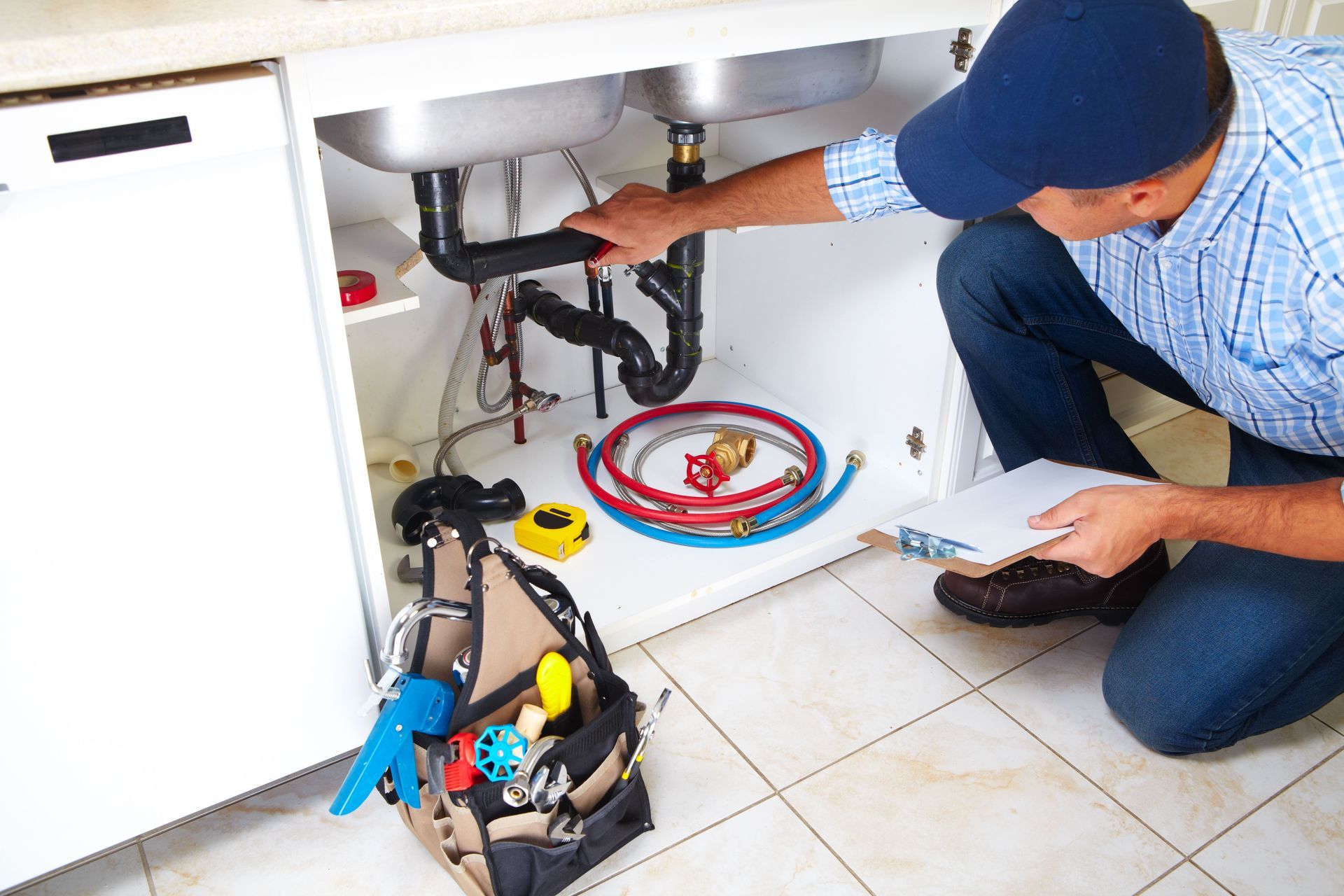
Engaging a trusted local plumbing contractor ensures access to the right level of service at the right time. These professionals can differentiate between a superficial blockage and a deeper systemic issue, optimizing repair strategies to balance cost, longevity, and customer satisfaction.
Advancement to Resale Value Depreciation and Market Perceptions
The cumulative effect of drain-related failures is often reflected in diminished resale value. Prospective buyers and inspectors are attuned to signs of past water damage, odors, and plumbing inefficiencies. These red flags translate into negotiation leverage that typically results in reduced offers or demanded concessions.
Proactive drain maintenance and the involvement of a reputable local plumbing contractor in ongoing care demonstrate stewardship of the asset. This perception of quality maintenance enhances market confidence and preserves property valuation in competitive markets.
For property owners aiming to optimize asset performance and limit unplanned expenditures, the lesson is clear: treat each clogged drain not as a trivial inconvenience but as a potential trigger for complex and costly challenges. Integrating regular assessments with a trusted local plumbing contractor not only averts emergencies but also contributes to a culture of proactive maintenance and long-term value preservation. If you need a local plumbing contractor for a clogged drain or other issues, contact Stilwell Plumbing & Drain Cleaning today.