October 23, 2026
Few things are more frustrating than turning on the shower and getting a weak trickle instead of a strong, steady stream. Low water pressure can make everyday tasks like rinsing dishes, filling a bathtub, or running the washing machine take much longer than they should. When the problem affects just one faucet, the cause is usually limited to that fixture. But when water pressure is low throughout the entire house, it often points to a larger issue with your plumbing system or water supply. Understanding the most common causes can help you figure out what's going on and know when it's time to call in professional help.
Checking the Main Shutoff Valve
One of the simplest explanations for low water pressure throughout a home is a main shutoff valve that isn't fully open. This valve controls the flow of water into your house, and it's usually located where the main water line enters the home, often in a basement, crawl space, garage, or utility room. If the valve was partially closed during a recent repair or bumped by accident, it can restrict water flow to every fixture. Gate valves with round handles should be turned fully counterclockwise, while ball valves with lever handles should run parallel to the pipe when open. If you've checked the valve and pressure is still low, or if the valve is stiff, corroded, or leaking, it's best to have a professional take a closer look rather than forcing it.
Inspecting the Pressure Regulator
Many homes have a pressure-reducing valve, also called a pressure regulator, installed on the main water line. This device lowers the incoming water pressure from the city supply to a safer level that won't damage pipes or appliances. Over time, pressure regulators can wear out, become clogged with debris, or fall out of adjustment. When that happens, they may reduce pressure too much, leaving every fixture in the house with weak flow. In some cases, a failing regulator can cause pressure to fluctuate unpredictably. Testing and adjusting or replacing a pressure regulator requires the right tools and experience. Our local plumbers can measure your home's water pressure, determine whether the regulator is the source of the problem, and replace it if needed.
Considering Problems With the Municipal Supply
Sometimes low water pressure has nothing to do with your home's plumbing at all. Issues with the city water supply, such as main breaks, repairs, high demand during peak hours, or problems at a pumping station, can temporarily reduce pressure throughout an entire neighborhood. If your neighbors are experiencing the same problem, the cause is likely outside your property. Contacting your water utility can help confirm whether there's an ongoing issue in the area. However, if pressure remains low long after the utility has resolved any known problems, the issue may be inside your home's plumbing system and worth having checked by local plumbers like ours.
Identifying Corroded or Aging Pipes
Older homes are especially prone to low water pressure caused by aging pipes. Galvanized steel pipes, which were common in homes built before the 1960s, corrode from the inside over time. As rust and scale build up, the interior diameter of the pipe shrinks, restricting water flow throughout the house. Even copper pipes can develop mineral buildup or corrosion after many years of service. Signs of aging pipes include discolored water, metallic tastes, frequent leaks, and pressure that has gradually declined over time. Repiping a home or replacing problem sections can restore strong water pressure and improve water quality. Our experienced local plumbers can inspect your plumbing and recommend the most effective and cost-conscious solution for your home.
Looking for Hidden Leaks
A leak somewhere in your plumbing system can divert water away from your fixtures and reduce pressure throughout the home. Leaks may occur in the main service line, under the slab, behind walls, or in crawl spaces where they aren't easily seen. Warning signs include unexplained increases in your water bill, damp spots on floors or walls, mold or mildew odors, the sound of running water when fixtures are off, and soggy areas in the yard. You can also check your water meter while no water is being used. If the meter continues to move, there may be a leak. Hidden leaks can cause serious damage if left untreated, so it's important to have them located and repaired quickly with professional leak detection. Even a small, steady leak can waste thousands of gallons of water over time, so acting quickly helps protect both your home and your wallet.
Recognizing Mineral Buildup From Hard Water
Hard water contains high levels of minerals like calcium and magnesium. Over time, these minerals can build up inside pipes, valves, and fixtures, narrowing pathways and restricting flow. While mineral buildup often shows up first in faucet aerators and showerheads, it can eventually affect the entire plumbing system. White or chalky residue on fixtures, spotty dishes, and soap scum that's hard to clean are all signs of hard water. Cleaning fixtures can help in the short term, but addressing buildup throughout the system may require professional descaling, pipe replacement, or the installation of a water softener to prevent future problems. Softened water is also gentler on appliances like dishwashers and washing machines, helping them last longer and run more efficiently.
Evaluating Water Heater and Filtration Issues
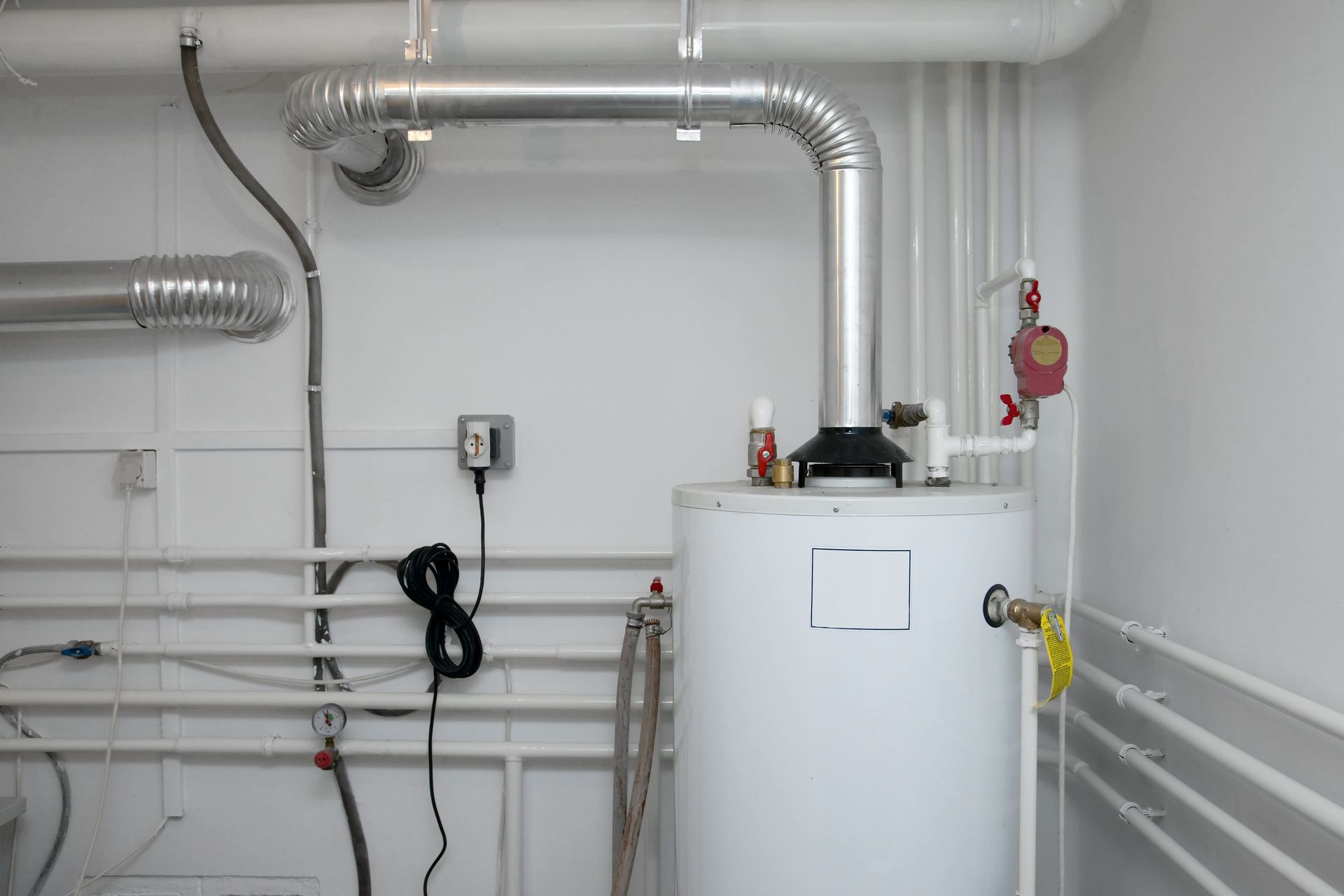
If low water pressure seems to affect only hot water throughout the house, the problem may be related to your water heater. Sediment buildup in the tank, a partially closed shutoff valve, or corroded connections can restrict hot water flow. Whole-house water filters and water softeners can also reduce pressure when filters become clogged or systems aren't maintained properly. Changing filters on schedule and flushing your water heater regularly can help keep water flowing freely. If these systems are causing pressure problems, our local plumbers can service or repair the equipment so your home gets the water flow it needs.
Calling Professionals for Accurate Diagnosis
Because low water pressure can stem from many different causes, an accurate diagnosis is the key to finding the right solution. Professional plumbers use pressure gauges, inspection cameras, and leak detection equipment to pinpoint exactly where the problem is coming from. The plumbing industry is a large and important part of keeping homes running smoothly. According to IBISWorld, about 736,000 people work in the U.S. plumbing industry. Choosing local plumbers like ours who know the area's water supply, common pipe materials, and typical household plumbing issues can help you get answers faster and avoid unnecessary repairs. A professional assessment also gives you peace of mind that the problem has been fully resolved rather than temporarily masked.
At Stilwell Plumbing & Drain Cleaning, we understand how disruptive low water pressure can be for your household. Our experienced team takes the time to track down the true source of the problem, whether it's a failing pressure regulator, corroded pipes, a hidden leak, or mineral buildup. We provide honest recommendations and quality repairs designed to restore strong, reliable water flow throughout your home. As
local plumbers who care about our community, we're committed to fast service, clear communication, and lasting results. Contact Stilwell Plumbing & Drain Cleaning today to schedule an inspection and get your water pressure back where it should be.