April 11, 2026
Professional plumber inspections are a crucial aspect of maintaining the longevity and efficiency of plumbing systems, frequently leading to significant cost savings for both homeowners and businesses. Conducting regular plumber inspections means preventing costly plumbing issues before they compound into larger, more expensive repairs. By investing in these inspections, homeowners can not only enhance the efficiency of their homes but also confirm compliance with necessary environmental standards. The proactive nature of plumbing inspections serves as a preventive measure, confirming that plumbing systems operate smoothly. This introduction sets the stage for understanding the broader implications and benefits that professional plumber inspections offer both financially and environmentally.
Understanding Plumber Inspections
What is a Plumber Inspection?
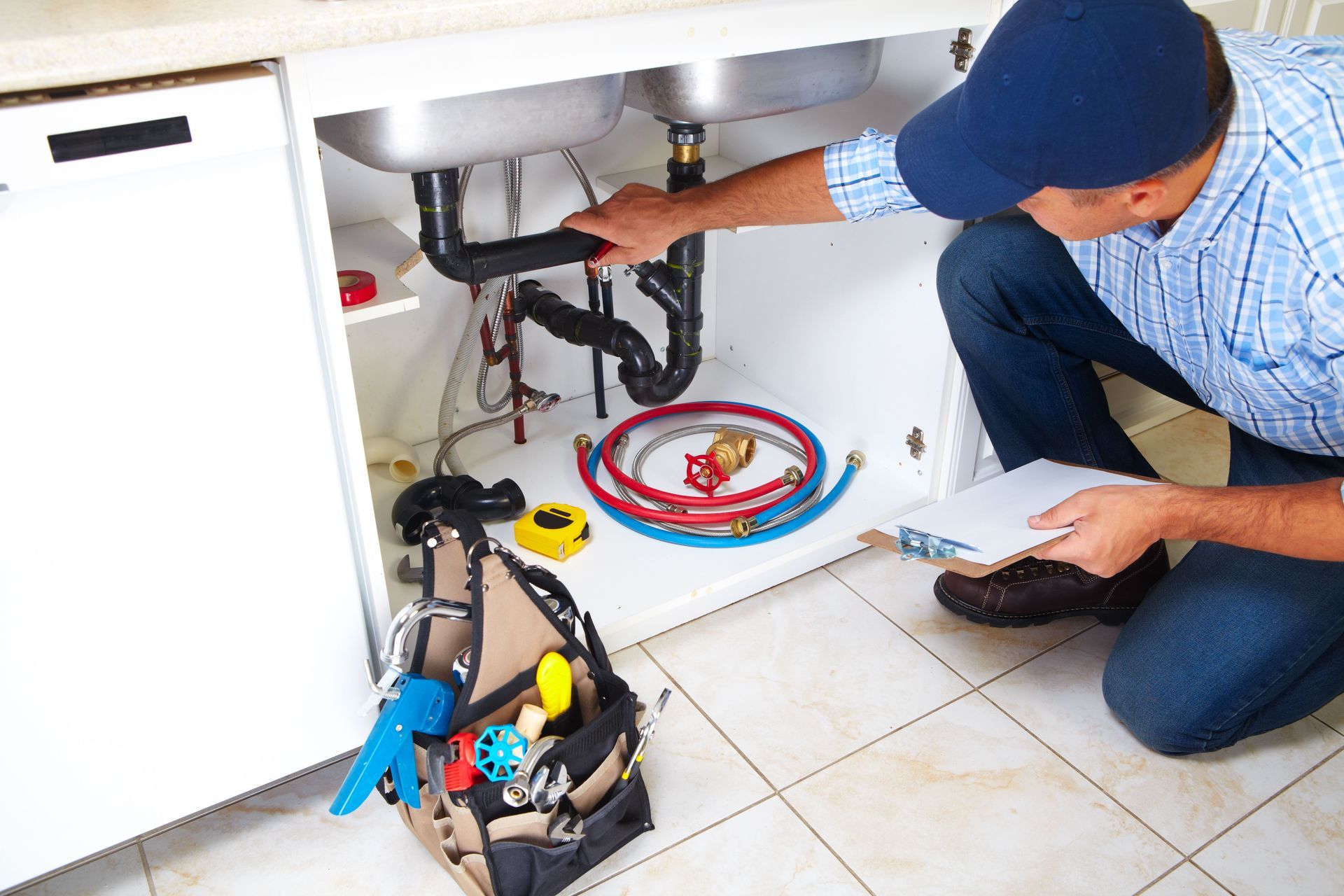
A plumber inspection involves a detailed and comprehensive inspection of a plumbing system by a certified professional. Unlike standard plumbing services that may address immediate issues like a clogged drain or a leaky faucet, a plumber inspection encompasses a broader evaluation aimed at identifying potential risks. This includes an examination of all visible and accessible components of the plumbing system to identify weaknesses and inefficiencies. Through these inspections, potential long-term issues can often be identified before they manifest into significant problems. By understanding what goes into a plumber inspection, homeowners can appreciate its value beyond just immediate fixes.
The Importance of Regular Plumbing Inspections
Regular plumbing inspections are vital to maintaining a healthy and efficient plumbing system. Over time, even minor issues can escalate, leading to costly repairs and potential water damage. The Environmental Protection Agency (EPA) has highlighted that 10% of homes have leaks wasting 90 gallons or more of water daily. Such inefficiencies not only drain financial resources but also pose severe environmental consequences. Routine inspections help nip such issues in the bud, promoting sustainable water usage and preventing needless expenditure.
Signs You Need a Plumber Inspection
There are several indicators that signal the need for a comprehensive plumber inspection. These can range from visible signs, such as persistent leaks, to less noticeable issues, like fluctuating water pressure. Homeowners should be particularly vigilant if they notice a sudden spike in their water bills, as this could indicate an underlying leak or issue. There's also a prevalent misconception that louder-than-normal water flow noise is simply a minor inconvenience rather than a symptom of a significant problem. By recognizing these signs early, homeowners can schedule timely inspections and address potential issues head-on.
Components of a Comprehensive Plumbing Inspection
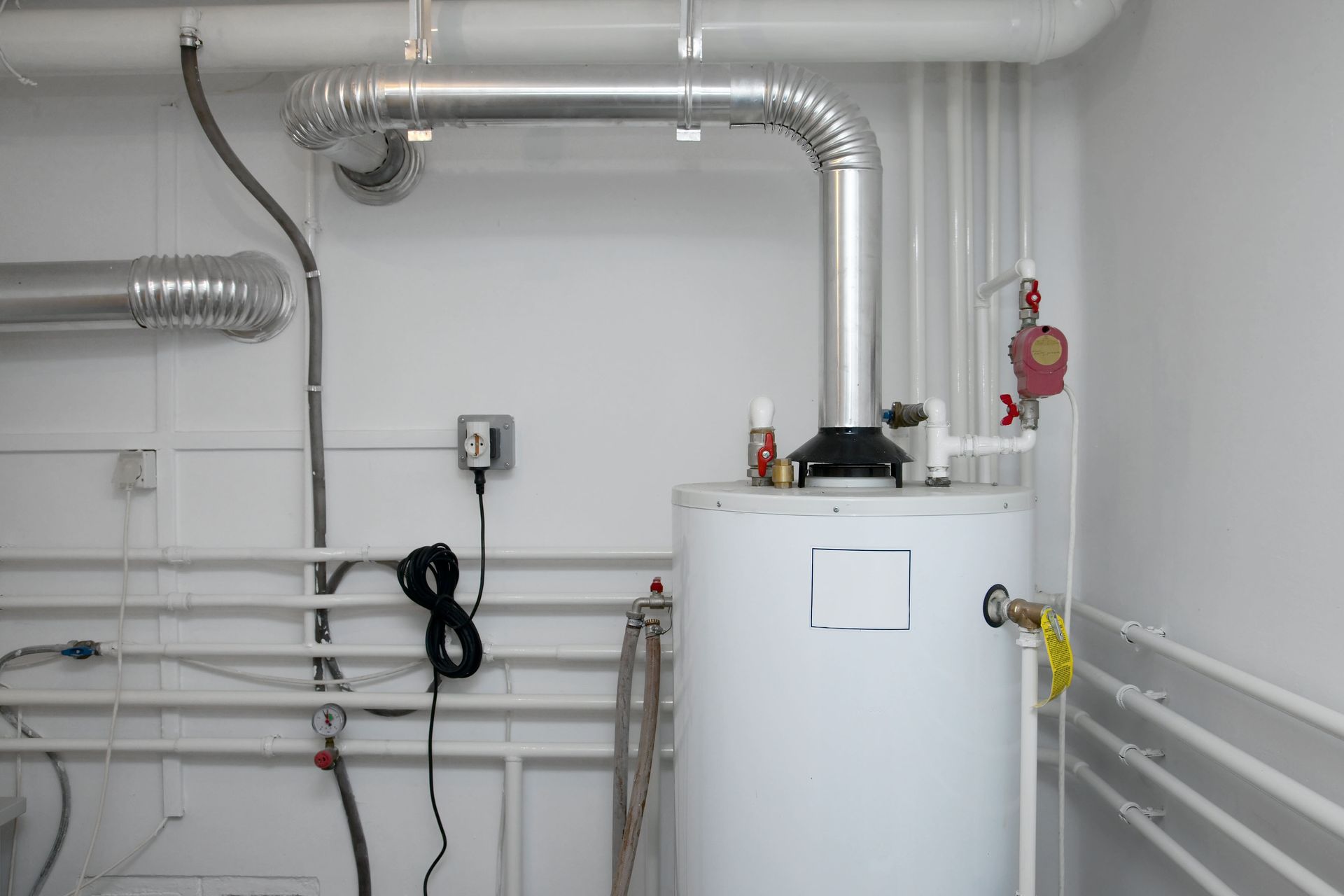
A professional plumbing inspection covers several critical components to provide a thorough evaluation. Key elements include the assessment of all visible plumbing pipes, water heaters, and drains. Additionally, specialized equipment may be used to check for hidden leaks within walls or underground. Inspectors will also evaluate water pressure levels to confirm they are within the optimal range to prevent system stress. The findings are usually compiled into a detailed report, offering recommendations for necessary repairs or improvements. Through these assessments, homeowners gain a complete picture of their system’s health and potential vulnerabilities.
Choosing the Right Professional Plumber
Selecting a qualified plumber to conduct an inspection is a critical decision that can directly impact the thoroughness and accuracy of the evaluation. Homeowners should prioritize professionals with a solid reputation, credentials, and verifiable customer reviews. It's essential to verify the plumber's certifications and confirm they use up-to-date equipment and methods in their inspections. Transparent pricing and comprehensive reporting should also be considered during the selection process. By taking these factors into account, homeowners can rest assured that their plumbing systems are in capable hands.
Financial Benefits of Plumbing Inspections
Identifying Costly Leaks
One of the primary financial benefits of plumbing inspections is identifying and rectifying costly leaks. Hidden leaks can be elusive, often causing damage before they're detected. Inspections are particularly effective at revealing these leaks, which, according to the EPA, contribute to significant water wastage in many homes. By identifying these issues early, homeowners can avoid the financial drain associated with unchecked leaks. This proactive approach not only saves money on water bills but also prevents structural damage that can be costly to repair.
Efficiency Improvements and Cost Savings
Improving plumbing efficiency is a direct consequence of regular plumber inspections, translating to substantial cost savings on utility bills. Inspectors provide recommendations for system enhancements that maximize water usage efficiency, thus reducing consumption. For instance, they may suggest the installation of low-flow fixtures or efficient water heaters. These improvements not only cut down on water usage but can also lower energy consumption associated with water heating. Ultimately, these enhancements contribute to a more sustainable household with improved economic viability.
Extending the Life of Your Plumbing System
Through regular inspections, plumbing systems can enjoy an extended life span, thus saving on costly replacements. Regularly maintained systems experience less wear and tear, as minor issues are addressed before escalating. This proactive maintenance minimizes the risk of sudden failures or large-scale damage. Moreover, an inspection often includes education on best practices for system care, empowering homeowners to maintain their systems effectively. As a result, property owners can defer replacement costs significantly, enjoying extended utility from their existing systems.
Avoiding Emergency Repair Costs
Routine plumber inspections help in circumventing unexpected and expensive emergency repairs. Plumbing emergencies can arise without warning, leading to urgent situations that require immediate, costly interventions. By catching potential issues during scheduled inspections, these emergencies can often be preempted. Not only does this proactive approach save money, but it also alleviates the stress associated with sudden breakdowns. This avoidance of crises contributes significantly to the smooth running of a household, minimizing disruption.
Increasing Property Value
Maintaining a robust plumbing system through regular inspections positively impacts property value. Potential homebuyers are often swayed by well-maintained properties with efficiently working systems, plumbing being a significant selling point. An up-to-date inspection report serves as a testament to the property's condition, instilling confidence in prospective buyers. Furthermore, a history of regular inspections may justify a higher asking price during resale, reflecting the homeowner’s commitment to maintenance. Thus, a short-term investment in inspections delivers long-term financial benefits through enhanced property value.
In addition to scheduled evaluations, ongoing awareness of your plumbing system’s condition plays a key role in maximizing the benefits of professional inspections. Small changes, such as noticing slow drains, unusual odors, or slight drops in water pressure, can signal underlying issues that may require attention. Addressing these concerns early, alongside routine inspections, helps maintain consistent system performance and reduces the likelihood of unexpected repairs. By combining professional insights with attentive day-to-day monitoring, homeowners can maintain a more reliable, efficient plumbing system that supports long-term savings and overall home comfort.
This detailed exploration of professional plumber inspections underscores their indispensable role in promoting financial, environmental, and system performance benefits. Their proactive nature allows for early problem detection, curbing extensive damages and optimizing resource consumption. By maintaining regular inspections, homeowners secure long-term savings, enhance property values, and contribute positively to environmental sustainability. Educational insights provided demystify common misconceptions, reinforcing inspections’ applicability to properties of all ages and conditions. With this understanding, the path to informed and responsible property management becomes clearer and attainable through regular and thorough plumber inspections. In need of a plumber? Stilwell Plumbing & Drain Cleaning can help. Reach out to us today to learn more.